The Role of Youth in Environmental Activism in Bangladesh

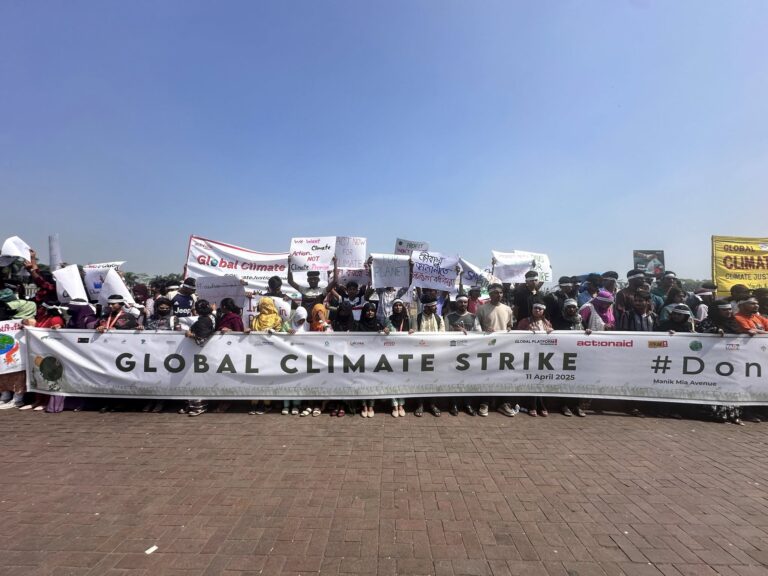
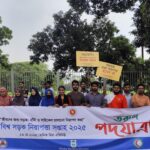
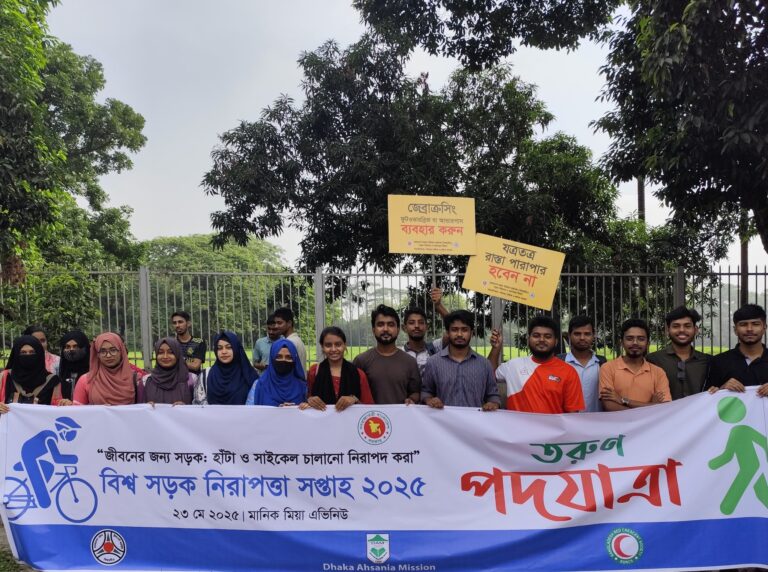
In recent years, the youth of Bangladesh have emerged as a vital force in the country’s environmental activism. As climate change, pollution, biodiversity loss, and deforestation become increasingly serious concerns, young people across the nation are stepping forward to raise awareness, demand accountability, and implement local solutions. With over one-third of the population under the […]

6 mins read

The Impact of Cyclones and Floods on Agriculture in Bangladesh

Bangladesh is one of the most disaster-prone countries in the world due to its geographical location, dense population, and climatic conditions. Among the various natural disasters, cyclones and floods are the most frequent and devastating. These calamities not only cause loss of lives and infrastructure but also have a severe impact on agriculture, which is the backbone of the country’s economy. Agriculture provides employment to nearly 40% of the labour force and contributes around 13% to the national GDP. Therefore, the repeated destruction caused by floods […]

5 mins read

Climate Migration and Its Socioeconomic Effects in Bangladesh

Bangladesh, one of the most climate-vulnerable countries in the world, faces an alarming new reality: climate migration. With rising sea levels, extreme weather events, river erosion, and salinity intrusion becoming more frequent and intense, millions of people are being forced to leave their homes in search of safety and livelihood. This phenomenon, often referred to […]

8 mins read

Urban Green Spaces in Dhaka: Importance and Preservation

As Dhaka continues to grow rapidly both in population and infrastructure, the need for sustainable urban planning becomes increasingly urgent. One critical aspect of this planning is the development and preservation of urban green spaces. These spaces are essential not only for the environment but also for the physical and mental well-being of city dwellers. In recent years, the shrinking of green areas in the capital has raised concerns among environmentalists, urban planners, and […]

7 mins read

Bangladesh’s Journey Towards Renewable Energy

As the world confronts the harsh realities of climate change, energy crisis, and environmental degradation, Bangladesh is increasingly turning its focus towards renewable energy to ensure a cleaner and more sustainable future. Being one of the most climate-vulnerable countries in the world, the necessity of adopting renewable energy sources is not just an option for Bangladesh but a strategic necessity. This article explores Bangladesh’s ongoing journey in the renewable energy sector, the challenges faced, the initiatives taken, and […]

9 mins read

Community-Based Disaster Management in Rural Bangladesh

Bangladesh, a country situated in the delta of the Ganges, Brahmaputra, and Meghna rivers, is one of the most disaster-prone nations in the world. With its geographic location and low-lying topography, the country frequently experiences floods, cyclones, riverbank erosion, droughts, and other natural calamities. Rural areas, where the majority of the population resides, are particularly […]

6 mins read

Deforestation in the Chittagong Hill Tracts: Causes and Consequences

The Chittagong Hill Tracts (CHT), comprising the districts of Rangamati, Khagrachari, and Bandarban, are among the most ecologically diverse and naturally beautiful regions of Bangladesh. With lush forests, rich biodiversity, and indigenous communities maintaining a close connection with nature, the region plays a vital role in the country’s environmental and cultural heritage. However, deforestation in […]

7 mins read

Water Pollution in the Buriganga River: A Growing Concern

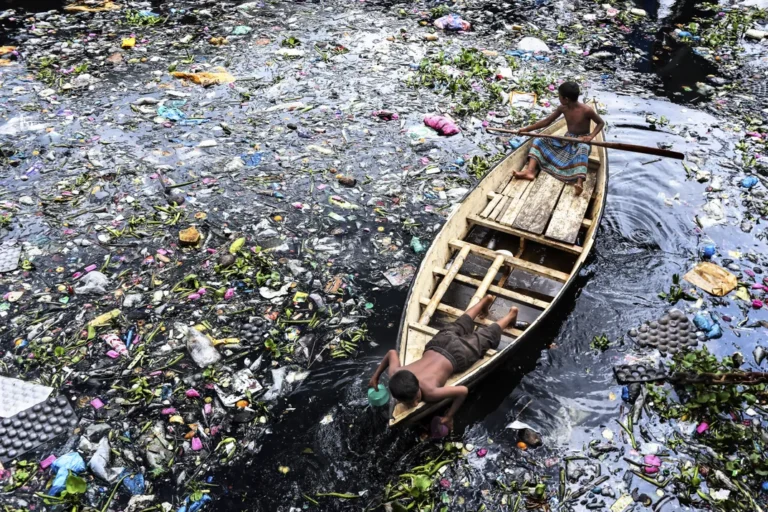
The Buriganga River, once considered the lifeline of Dhaka city, is now among the most polluted rivers in Bangladesh. Flowing along the southwest edge of the capital, this river has played a vital role in the socio-economic development of the region for centuries. However, due to unplanned urbanisation, industrialisation, and poor waste management, the Buriganga has become a symbol of environmental degradation. The water pollution crisis in the Buriganga River […]

6 mins read

Ecotourism in Bangladesh: Balancing Conservation and Development

Ecotourism, a form of responsible travel that supports environmental conservation and improves the well-being of local communities, has emerged as a promising sector for Bangladesh. Blessed with diverse ecosystems, including the world’s largest mangrove forest, serene hill tracts, beautiful beaches, and rich biodiversity, Bangladesh holds immense potential for ecotourism. However, the challenge lies in balancing […]

7 mins read

The Role of NGOs in Environmental Awareness and Action

In recent years, Bangladesh has faced growing environmental challenges due to rapid urbanisation, industrialisation, deforestation, pollution, and the impacts of climate change. From rising temperatures and erratic rainfall to declining biodiversity and increasing natural disasters, the country is grappling with complex and multi-dimensional environmental issues. Amidst these pressing challenges, Non-Governmental Organisations (NGOs) have emerged as […]

7 mins read