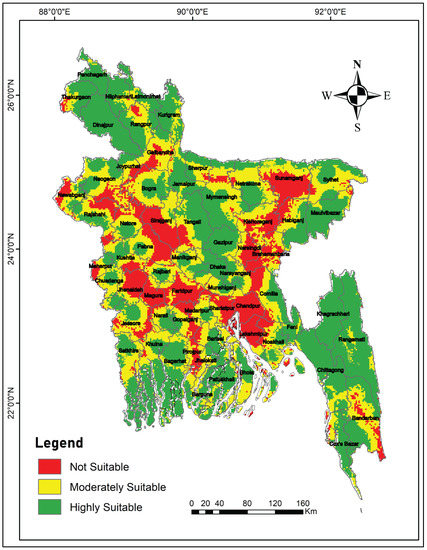
Wetlands are one of the most valuable ecosystems on earth. From purifying water to providing habitat for wildlife, supporting fisheries,…
Deforestation in the Chittagong Hill Tracts: Causes and Consequences
The Chittagong Hill Tracts (CHT), comprising the districts of Rangamati, Khagrachari, and Bandarban, are among the most ecologically diverse and…
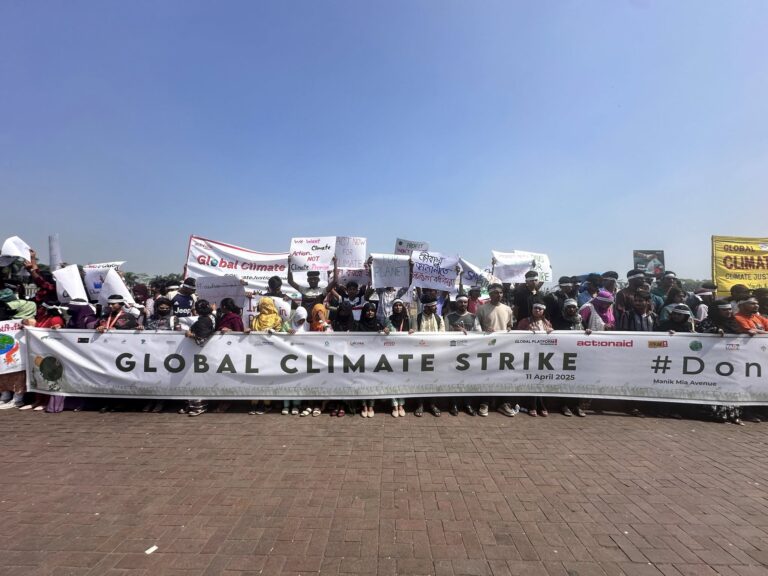
NGO Engagement in Climate Action: The Bangladesh Context
Bangladesh, despite contributing minimally to global greenhouse gas emissions, is one of the most vulnerable countries to climate-induced disasters such…
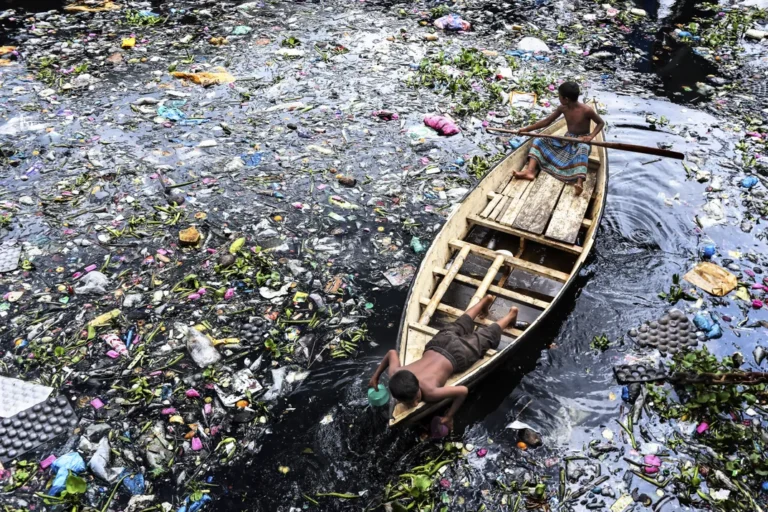
Water Pollution in the Buriganga River: A Growing Concern
The Buriganga River, once considered the lifeline of Dhaka city, is now among the most polluted rivers in Bangladesh. Flowing along the southwest edge of the capital, this river has played a vital role in…
Ecotourism in Bangladesh: Balancing Conservation and Development
Ecotourism, a form of responsible travel that supports environmental conservation and improves the well-being of local communities, has emerged as…
The Role of NGOs in Environmental Awareness and Action
In recent years, Bangladesh has faced growing environmental challenges due to rapid urbanisation, industrialisation, deforestation, pollution, and the impacts of…
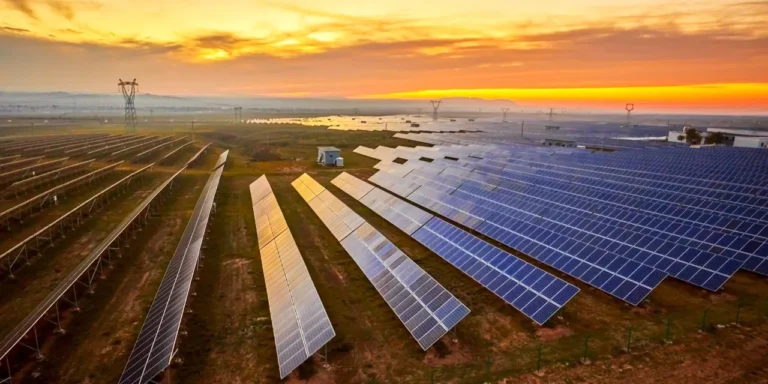
Solar Energy Initiatives in Rural Bangladesh
Bangladesh, a country striving for economic progress and social development, has made remarkable achievements over the past decades in reducing…
Biodiversity Loss and Conservation in Bangladesh
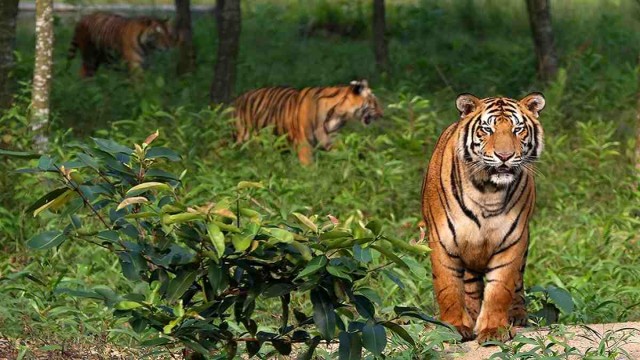
Bangladesh, with its unique geographical location and diverse ecosystems, is home to a rich variety of flora and fauna. From…
World Update: Global Heatwaves in 2025 and Bangladesh’s Climate Resilience
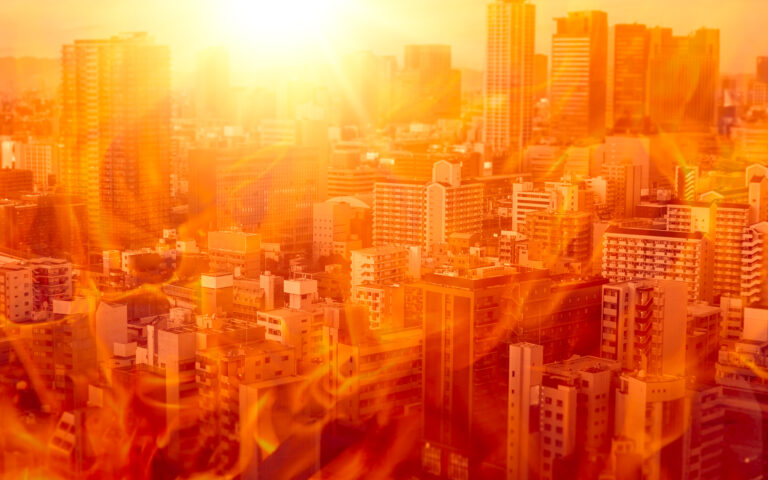
As of mid-2025, the world continues to grapple with unprecedented heatwaves, surpassing records set in previous years. In Bangladesh, these…
Sustainable Fishing Practices in the Bay of Bengal
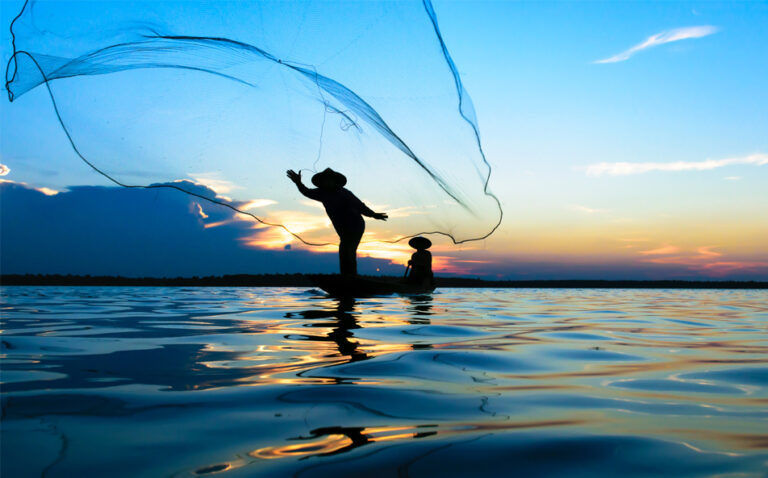
Bangladesh, being a deltaic country with extensive river systems and a long coastline along the Bay of Bengal, has always…